

Hear from Our Customers
Those DIY test kits from the hardware store? They tell you mold exists—which you probably already knew. They don’t tell you where it’s spreading, what type it is, or how bad the problem actually is.
Professional mold testing uses thermal imaging to detect moisture behind walls, air sampling to measure spore concentration, and lab analysis to identify the exact species. That’s how you find out if it’s surface mold from a humid bathroom or black mold colonizing your HVAC system.
The difference matters because the fix changes completely. Surface mold might need better ventilation and a cleaning. Hidden contamination in your ductwork means every time your heat kicks on, you’re circulating spores through the whole house. That’s why your allergies won’t quit even though you can’t see anything wrong.
Early detection also saves money. Mold spreads fast once it starts—24 to 48 hours after water exposure. Catch it early and you’re looking at localized treatment. Miss it for six months and you’re replacing drywall, insulation, maybe flooring. The testing cost is nothing compared to what remediation runs when the problem gets out of hand.
We’ve been serving Fairless Hills and the surrounding Bucks County area for years, performing residential and commercial mold inspections with certified technicians who follow IICRC S-520 protocols. Not the cheapest option, but the thorough one.
Fairless Hills has the same mold challenges as the rest of southeastern Pennsylvania—older homes, humid summers, basements that stay damp. Add in the fact that nearly half of American homes show mold growth at some point, and you’ve got a market full of companies trying to scare you into unnecessary work.
That’s not how we work. The inspection is about facts: moisture readings, spore counts, contamination mapping. You get a report that tells you what’s there, where it is, and what needs to happen next. No upselling. No fear tactics. Just the information you need to make a smart decision about your property.
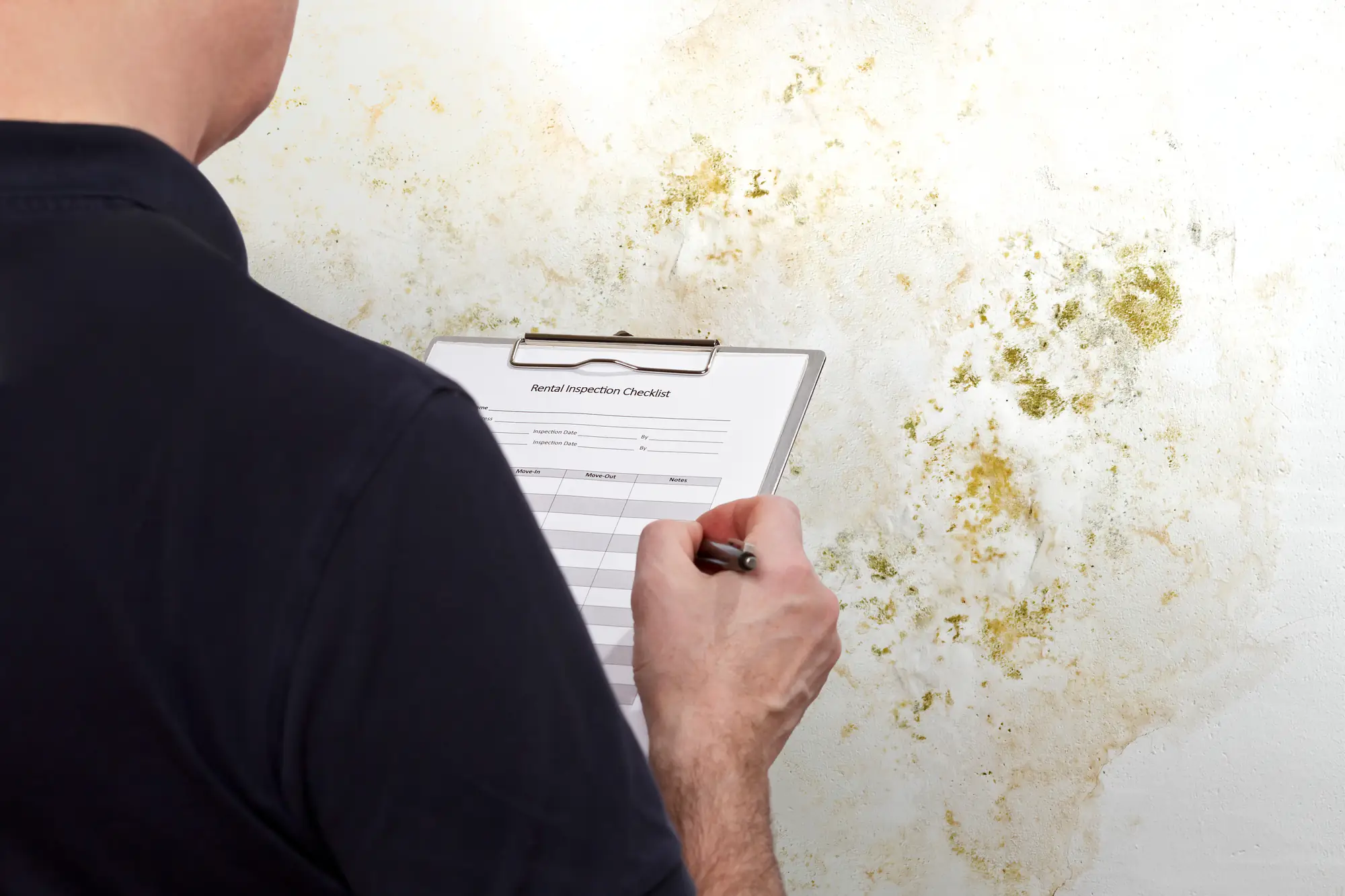
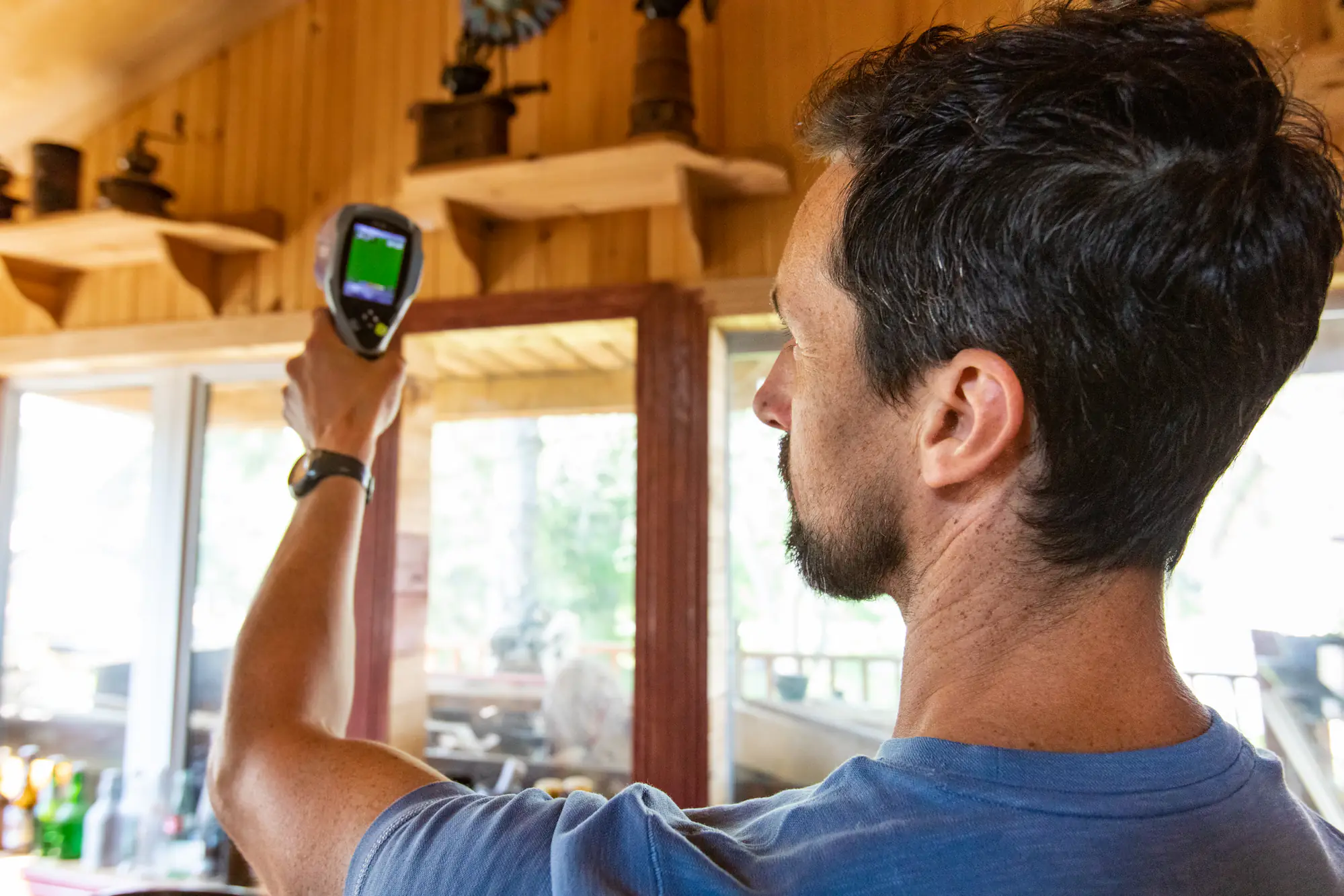
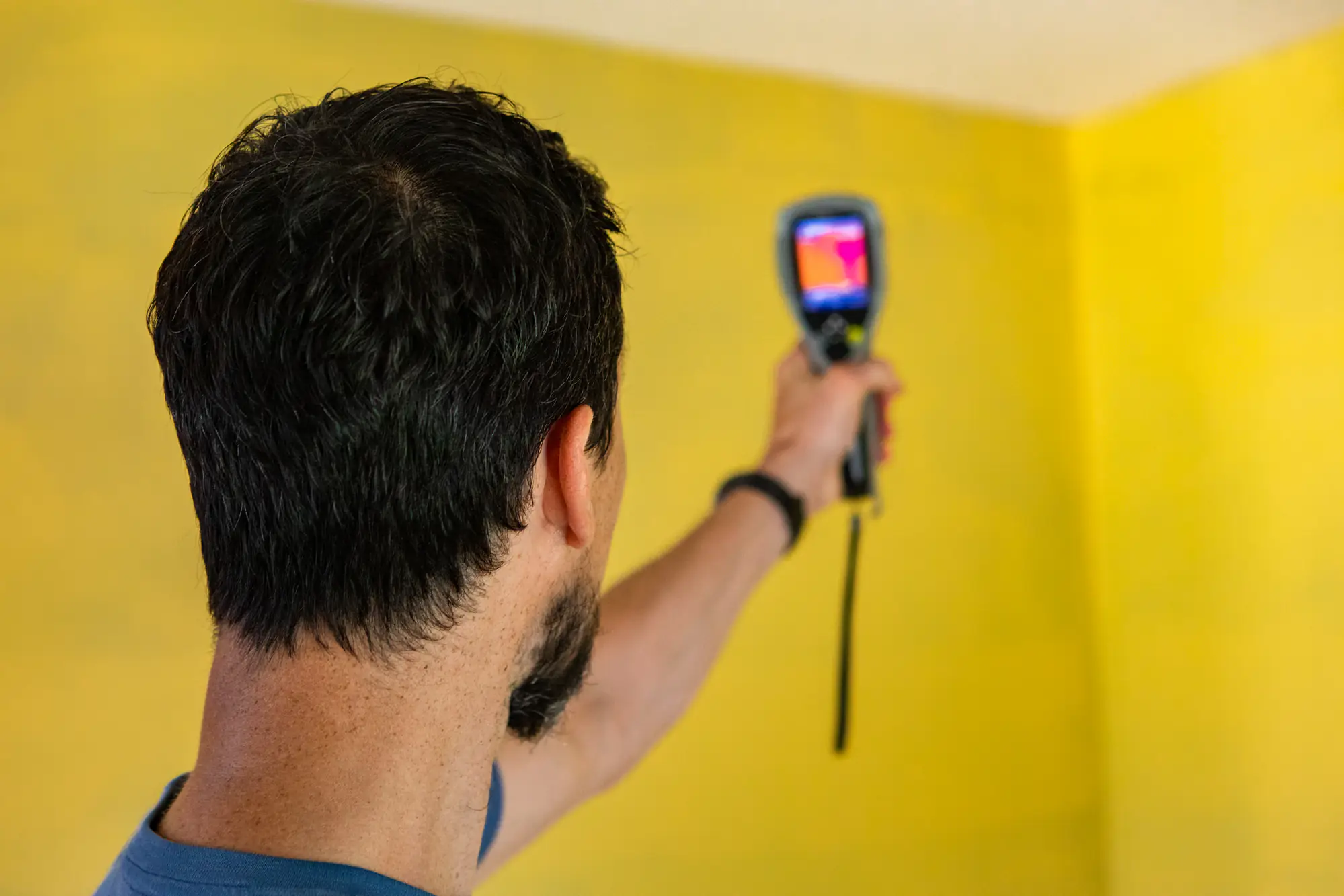
The inspection starts with a visual assessment and moisture mapping using infrared cameras. This identifies areas where water intrusion or high humidity is creating conditions for mold growth—even if nothing’s visible yet.
Next comes air sampling. We collect samples from multiple areas of your home and send them to a certified lab for analysis. The lab identifies mold species and measures spore concentration, which tells you whether levels are elevated compared to outdoor air. That’s the baseline that matters.
If there’s visible growth or suspected hidden contamination, we may take surface samples or wall cavity samples. This confirms the type of mold and helps determine the right remediation approach.
You’ll receive a detailed report within a few days that breaks down findings by location, explains what was detected, and outlines recommended next steps. If remediation is needed, the report follows IICRC S-520 standards so any qualified contractor knows exactly what needs to be addressed.
The whole process typically takes a few hours depending on property size. You don’t need to leave, but you’ll want to stay out of the way while equipment is running and samples are being collected.
Ready to get started?
A complete mold inspection covers more than just looking around with a flashlight. It includes thermal imaging to detect hidden moisture, air quality testing to measure spore levels, and surface or material sampling when contamination is suspected.
In Fairless Hills, basements and crawl spaces are common problem areas due to older construction and groundwater issues. HVAC systems are another frequent source—mold grows in ductwork and gets distributed every time the system runs. Attics can harbor growth from roof leaks or poor ventilation, especially after a wet winter.
The inspection identifies all of these potential sources and provides moisture readings that show whether conditions are right for continued growth. High moisture doesn’t always mean active mold, but it does mean you’re at risk.
You’ll also get guidance on whether the issue is something you can address with dehumidification and cleaning, or whether professional remediation is necessary. Not every mold problem requires a full-scale removal project, but you won’t know until you test.
The report is detailed enough to use in real estate transactions, insurance claims, or contractor bids. It’s documentation that holds up when you need it to.
Most residential mold inspections in Fairless Hills run between $300 and $600 depending on property size and the number of samples needed. A small home with one suspected area costs less than a large property requiring multiple air samples and material testing.
The price includes the inspection itself, lab analysis, and a written report. Some companies charge separately for each air sample or surface test, so ask upfront what’s included. Cheaper isn’t always better—labs vary in accuracy, and inexperienced inspectors miss things.
If you’re buying or selling a home, the cost is minimal compared to what you’d lose in a failed transaction or undisclosed contamination. If you’re dealing with health symptoms or visible growth, it’s the cost of knowing whether you’ve got a minor issue or a major problem. Either way, it’s information worth having before you start tearing into walls or writing checks for remediation.
DIY kits will tell you mold is present, but they won’t tell you where it’s coming from, what type it is, or how widespread the contamination is. They’re basically confirming what you already suspect—not giving you actionable information.
The CDC doesn’t recommend DIY mold testing for this reason. The kits can’t measure airborne spore concentration, can’t detect hidden growth, and can’t differentiate between harmless surface mold and toxic species. You’re left guessing about what to do next.
Professional testing uses calibrated equipment and certified lab analysis. Air samples show whether spore levels are elevated compared to outdoor air. Thermal imaging finds moisture sources you’d never locate on your own. Surface samples identify the exact mold species, which determines whether you need aggressive remediation or just better ventilation. That’s the difference between spending $200 on a kit that creates more questions and spending $500 on an inspection that gives you answers.
The on-site inspection typically takes two to four hours depending on the size of your property and how many areas need to be tested. Smaller homes with one or two concern areas are faster. Larger properties or homes with multiple suspected locations take longer.
Lab results usually come back within three to five business days. The lab is analyzing samples to identify mold species and measure spore concentration, which takes time to do accurately. Rush processing is sometimes available for an additional fee if you’re in the middle of a real estate transaction.
You’ll receive a written report that breaks down findings by location, explains what was detected, includes lab data, and provides recommendations. The report is detailed enough to share with contractors, insurance companies, or real estate agents. If remediation is needed, the report outlines what should be addressed so you’re not guessing about scope or cost.
Fairless Hills homes typically deal with Aspergillus, Penicillium, and Cladosporium—common molds that thrive in humid environments. These show up in bathrooms, basements, and anywhere moisture levels stay elevated. They’re not always dangerous, but they can trigger allergies and respiratory issues in sensitive people.
Stachybotrys, known as black mold, is less common but more concerning. It grows on water-damaged materials like drywall and wood, usually after a leak or flood that wasn’t dried out quickly. Black mold produces mycotoxins that can cause serious health problems, especially in children, elderly individuals, or anyone with compromised immune systems.
The only way to know what you’re dealing with is lab testing. Visual identification isn’t reliable—black-colored mold isn’t always Stachybotrys, and dangerous molds don’t always look threatening. Professional testing identifies the species and measures concentration levels so you know whether you’re dealing with a minor nuisance or a health hazard that needs immediate attention.
If you’re experiencing unexplained health symptoms—persistent allergies, respiratory issues, headaches, fatigue—that improve when you leave the house, hidden mold could be the cause. Testing is the only way to confirm it.
Mold grows behind walls, under flooring, in HVAC ducts, and inside wall cavities where you’d never see it. Water damage from old leaks, poor ventilation, or high humidity creates perfect conditions for hidden growth. Thermal imaging and air sampling detect contamination even when nothing is visible.
Testing also makes sense before buying a home, after any water damage, or if you notice musty odors without an obvious source. Older homes in Fairless Hills are especially prone to hidden mold due to outdated moisture barriers and ventilation systems. Catching it early prevents expensive remediation down the road and protects your property value. Ignoring symptoms or smells because you don’t see growth is how small problems turn into structural damage and five-figure repair bills.
Yes. The inspection report will specify whether you’re dealing with surface mold that can be cleaned or contamination that requires professional remediation. The difference comes down to the extent of growth, the mold species, and where it’s located.
Surface mold on bathroom tiles or a windowsill can usually be cleaned with proper products and better ventilation. Mold inside walls, in HVAC systems, or covering large areas of porous materials like drywall needs remediation. You can’t just wipe it away—the material has to be removed and replaced.
The report will outline what needs to be done and follow IICRC S-520 protocol, which is the industry standard for mold remediation. That gives you a clear scope of work to share with contractors and prevents anyone from overselling unnecessary services. If the problem is minor, the report will say so. If it’s serious, you’ll know exactly what needs to happen and why. Either way, you’re making decisions based on facts instead of fear.
Other Services we provide in Fairless Hills